
Introduction
USG KUB stands for ultrasound of the kidneys, ureters, and bladder. This test uses sound waves to create images of these organs. Understanding the indications for USG KUB helps you know when and why your doctor may suggest this scan. Often, this test is safe, painless, and gives quick results. Knowing its uses can help you feel more prepared if your doctor recommends it.
What is USG KUB?
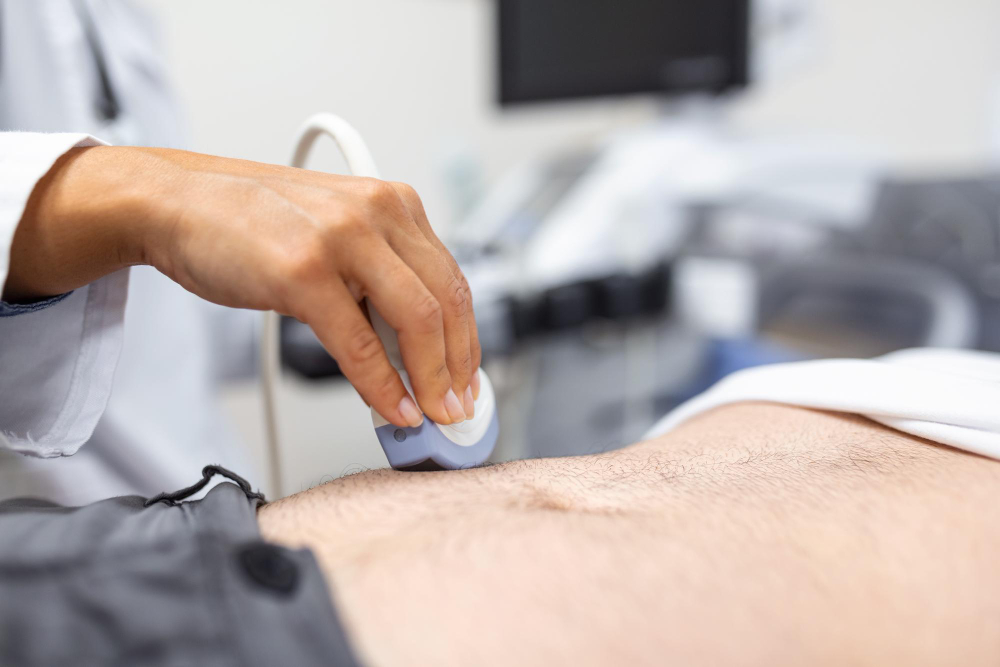
USG KUB is a simple imaging test. It checks the kidneys, ureters (tubes that carry urine from the kidneys to the bladder), and the bladder itself. Doctors use a small device called a probe. This probe moves over your belly and sends sound waves into your body. These waves bounce back and create pictures on a screen. Because it does not use radiation, USG KUB is safe for most people, including children and pregnant women.
Why is USG KUB Performed?
Doctors order USG KUB for many reasons. Here are some common indications for USG KUB:
Additionally, doctors may use USG KUB to guide certain treatments or check for injuries after accidents.
Symptoms That May Lead to USG KUB
Some symptoms may prompt your doctor to suggest an ultrasound for kidney problems or bladder issues. For example, you may need a scan if you have:
Because these symptoms can have many causes, a USG KUB helps doctors find the exact problem.
How USG KUB Helps in Diagnosis
USG KUB is a useful tool for diagnosis with USG KUB. It helps doctors:
Moreover, since USG KUB is quick and non-invasive, it is often the first test doctors choose when checking for urinary problems.
What to Expect During the Procedure
Before the scan, your doctor may ask you to drink water and not empty your bladder. This helps get clearer images. During the test, you will lie on a table. The technician will put a cool gel on your belly. Then, they will move the probe over your skin. You may feel slight pressure, but it should not hurt. The whole process usually takes 15 to 30 minutes. After the scan, you can return to your normal activities right away.
When to Consult a Doctor
If you have symptoms like pain, blood in urine, or trouble urinating, you should see a doctor. Early testing can help find problems before they get worse. Even if your symptoms are mild, it is better to get checked. Your doctor will decide if a bladder ultrasound or USG KUB is needed. Timely diagnosis can lead to better treatment and faster recovery.
Conclusion
In summary, USG KUB is a safe and helpful test for many kidney and bladder problems. It helps doctors find the cause of your symptoms and plan the right treatment. Consult a radiologist or healthcare provider to understand if USG KUB is right for you.