
Introduction
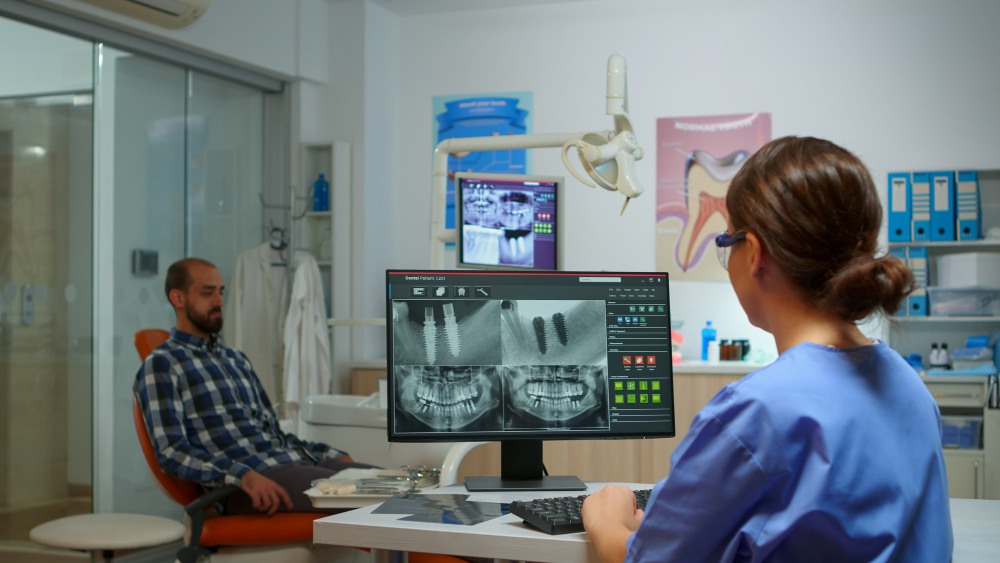
Dental CBCT, or Cone Beam Computed Tomography, is a special type of dental 3D imaging. It is changing the way dentists plan treatments. Today, Dental CBCT: Benefits for Implants, Orthodontics & Root Canal Planning are more important than ever. This technology helps dentists see your teeth, jaw, and mouth in great detail. As a result, it is now a key tool in modern dental care. Many clinics now offer dental CBCT scans for implants, orthodontics, and root canal treatments.
What is Dental CBCT?
Dental CBCT is a type of X-ray that creates 3D images of your teeth, jawbone, and soft tissues. Unlike regular dental X-rays, CBCT gives a complete view from many angles. Because of this, dentists can spot problems that might be missed with standard X-rays. Dental CBCT is often used before dental implants, braces, or root canal treatments. It is quick, safe, and gives clear pictures for better planning.
How Dental CBCT Works
During a dental CBCT scan, you sit or stand while the machine moves around your head. The scanner takes many pictures in just a few seconds. Then, a computer combines these images into a single 3D view. This process helps your dentist see the exact shape and position of your teeth and jaw. Because the scan is fast, it is comfortable for most people. Also, the amount of radiation is lower than in a medical CT scan.
Benefits of Dental CBCT for Dental Implants
Dental CBCT scan for implants offers many advantages. First, it shows the height, width, and quality of your jawbone. This helps your dentist decide if you are ready for an implant. Next, the 3D images help plan the exact spot for the implant. This means fewer surprises during surgery. In addition, CBCT can help avoid nerves or sinuses, making the procedure safer. Because of these benefits, dental 3D imaging is now the gold standard for implant planning.
Advantages in Orthodontic Planning
CBCT in orthodontics is very helpful for planning braces or aligners. For example, it shows how teeth are positioned in the jaw. This helps the orthodontist plan tooth movement safely. Also, CBCT can spot extra teeth or hidden problems. Because of the clear images, treatment can be faster and more accurate. Many orthodontists now use dental CBCT for better results.
Role in Root Canal (Endodontic) Treatment
CBCT for root canal treatment is becoming more common. Sometimes, regular X-rays do not show all the tooth roots or hidden infections. However, dental CBCT gives a clear 3D view. This helps the dentist find tiny canals or cracks in the tooth. As a result, root canal treatments are more successful. In addition, CBCT can help spot infections that need special care.
Safety and Risks of Dental CBCT
Dental CBCT is safe for most people. The radiation dose is low, much less than a medical CT scan. However, it is still higher than regular dental X-rays. For this reason, dentists only use CBCT when needed. Pregnant women should avoid CBCT unless it is urgent. Always tell your dentist if you are pregnant or have health concerns. According to the World Health Organization, dental X-rays are safe when used properly.
What to Expect During a Dental CBCT Scan
Getting a dental CBCT scan is simple. First, your dentist will ask you to remove jewelry or glasses. Next, you will sit or stand in the scanner. The machine will move around your head for a few seconds. You will need to stay still during the scan. Afterward, you can go back to your normal activities. The dentist will review the images and discuss the results with you.
Frequently Asked Questions
Conclusion
Dental CBCT offers many benefits for implants, orthodontics, and root canal planning. It gives clear, 3D images that help dentists plan safe and effective treatments. If you need dental implants, braces, or a root canal, ask your dentist about dental CBCT. Consult your dentist or a radiology specialist to learn if Dental CBCT is right for your dental treatment needs.