
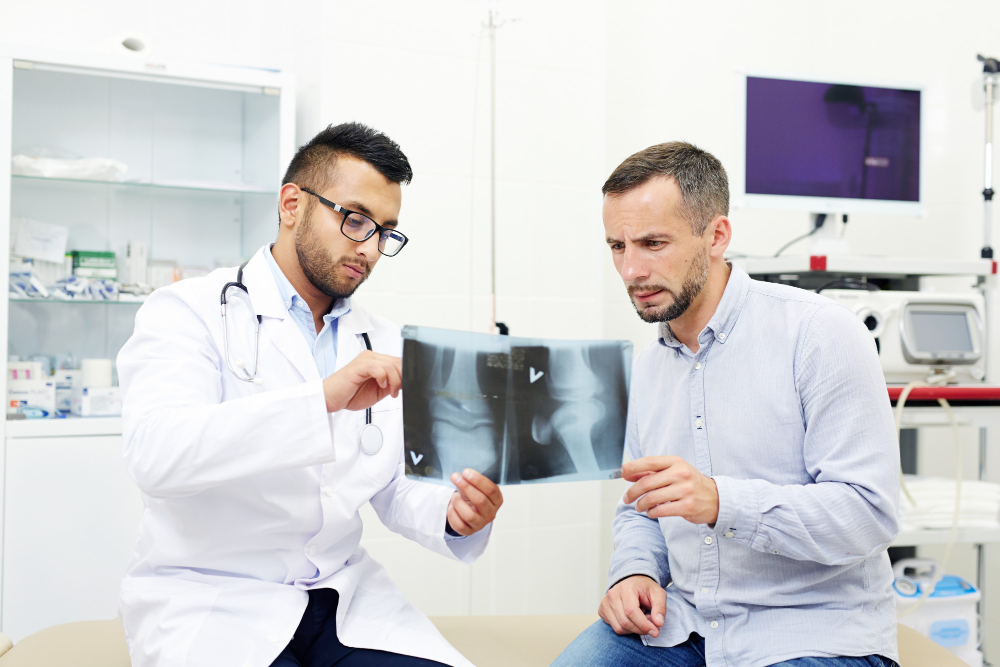
Knee pain can make daily life hard. For many, knee osteoarthritis is the cause. Image guided intervention for knee osteoarthritis is a modern treatment. It uses advanced imaging to help doctors treat knee pain with precision. This method is less invasive than surgery. In this blog, you will learn what image guided intervention is, how it helps, and what to expect.
What is Knee Osteoarthritis?
Knee osteoarthritis is a common joint problem. It happens when the cartilage in your knee wears down over time. As a result, bones rub together and cause pain, swelling, and stiffness. Often, people over 50 get this condition. However, younger people can also develop it after an injury or due to genetics.
Common signs of knee osteoarthritis include:
According to the World Health Organization (WHO), osteoarthritis is one of the leading causes of disability worldwide.
What is Image Guided Intervention?
Image guided intervention is a medical procedure. It uses real-time imaging, such as ultrasound or X-ray, to guide doctors. This helps them place needles or instruments exactly where needed. For knee osteoarthritis, doctors use this method to deliver treatments directly to the joint.
Because doctors can see inside the knee, they avoid healthy tissues. This makes the procedure safer and more accurate. Many people choose image guided intervention because it is minimally invasive and often done without general anesthesia.
How Does Image Guided Intervention Help Knee Osteoarthritis?
Image guided intervention for knee osteoarthritis targets the source of pain. Doctors may inject medicine, such as steroids or hyaluronic acid, into the knee joint. Sometimes, they use radiofrequency ablation to block pain signals. With imaging, the treatment goes right where it is needed.
This approach can:
For many, image guided intervention is part of a larger knee osteoarthritis treatment plan. It works well with physical therapy and lifestyle changes.
Benefits and Risks
Like any medical procedure, image guided intervention has benefits and risks. However, many people find the benefits outweigh the risks.
Benefits:
Risks:
According to the Centers for Disease Control and Prevention (CDC), these risks are rare but possible. Always talk to your doctor about your health history before the procedure.
What to Expect During the Procedure
Before the procedure, your doctor will explain each step. You may need to stop certain medicines. On the day of the procedure, you will lie on a table. The doctor will clean your knee and use a local anesthetic to numb the area.
Next, the doctor uses imaging to guide a needle into the knee joint. Then, they deliver the treatment. The whole process usually takes less than 30 minutes. Most people feel only mild discomfort.
Recovery and Aftercare
After image guided intervention, you can often go home the same day. However, you should rest your knee for a short time. Most people return to normal activities within a day or two.
To help your recovery:
If you notice redness, fever, or severe pain, contact your doctor right away.
Prevention and Lifestyle Tips
While image guided intervention can relieve pain, healthy habits help prevent knee osteoarthritis from getting worse. For example, staying active keeps your joints flexible. Eating a balanced diet helps you maintain a healthy weight, which reduces stress on your knees.
Other helpful tips include:
Regular check-ups with your doctor can also catch problems early.
Frequently Asked Questions
Conclusion
Image guided intervention for knee osteoarthritis is a safe, effective option for many people. It offers pain relief with less risk and faster recovery than surgery. Consult a radiology specialist to learn if image guided intervention is right for your knee osteoarthritis.