Introduction
During pregnancy, doctors use many tests to check your baby’s health. One important check is the nasal bone assessment. This test is often called a nasal bone ultrasound in pregnancy. It helps doctors look for certain conditions early. Because early detection is key, the importance of nasal bone scan cannot be overstated. In this blog, we explain why doctors check the nasal bone during pregnancy and what it means for you and your baby.
What Is the Nasal Bone?
The nasal bone is a small bone in the middle of the baby’s face. It forms the bridge of the nose. During early pregnancy, this bone starts to develop. Although it is tiny, it can tell doctors a lot about your baby’s growth. For example, its presence or absence can give clues about certain health conditions.
Why Is the Nasal Bone Checked During Pregnancy?
Doctors check the nasal bone as part of prenatal screening nasal bone tests. This check is important for several reasons:
Because early action can make a difference, doctors include this test in routine pregnancy care. In addition, the importance of nasal bone scan grows when there are other risk factors.
How Is the Nasal Bone Assessed?
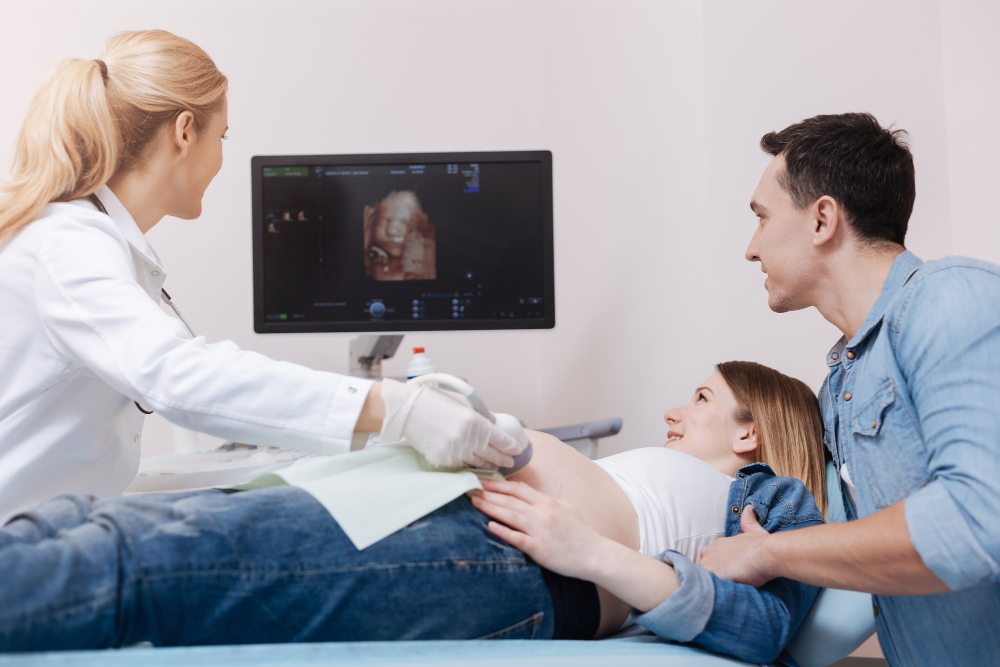
Doctors use an ultrasound to check the nasal bone. This test is safe and painless. Usually, the nasal bone ultrasound in pregnancy is done between 11 and 14 weeks. During the scan, the doctor looks for the nasal bone on the baby’s face. If the bone is seen, it is called “present.” If not, it is “absent.” Sometimes, the bone may be hard to see because of the baby’s position. In that case, the doctor may try again later.
What Does an Absent or Present Nasal Bone Mean?
The results of the nasal bone scan can give important clues:
For example, some healthy babies may not show a nasal bone at this stage. Therefore, doctors use this result along with other tests to make decisions.
Risks and Limitations of Nasal Bone Assessment
Although the nasal bone scan is helpful, it has some limits:
Because of these limits, doctors may suggest more tests if the nasal bone is absent. For example, a blood test or another ultrasound may be needed. According to the CDC and WHO, combining tests gives the best results.
Frequently Asked Questions
Key Takeaways
Consult at WeCare Diagnostics And Polyclinic for personalized advice about prenatal screening and nasal bone assessment.